I went to SCALE EXO and left seeing push-n-pull completely differently
A few weeks ago I attended Scale ExO in Guadalajara and I’ve been thinking about the talks almost every day since.

Josh posing outside the SCALE EXO event venue in Guadalajara.
I expected good conversations about scaling businesses, AI, systems and leadership. What I didn’t expect was walking out of the event realizing how deeply aligned those ideas were with something we’ve been building at dply for years through push-n-pull campaigns.
For a long time I saw push-n-pull mainly as a smarter way to approach digital marketing. Build awareness through Meta, YouTube or Performance Max, then capture intent through Google Search, SEO and conversion systems. The logic always felt obvious to me because it matched how people actually behave in real life. We rarely buy from strangers immediately. Familiarity matters. Timing matters. Trust matters. Search intent matters. Attention compounds.
But after hearing Daniel Marcos, Vern Harnish and Salim Ismail speak one after another, I started realizing push-n-pull may actually connect to something much bigger than campaign structure. All three speakers were independently describing different parts of the same modern business reality: companies can no longer depend on improvisation, disconnected efforts and founder hustle if they want to scale in a world moving exponentially faster every year.
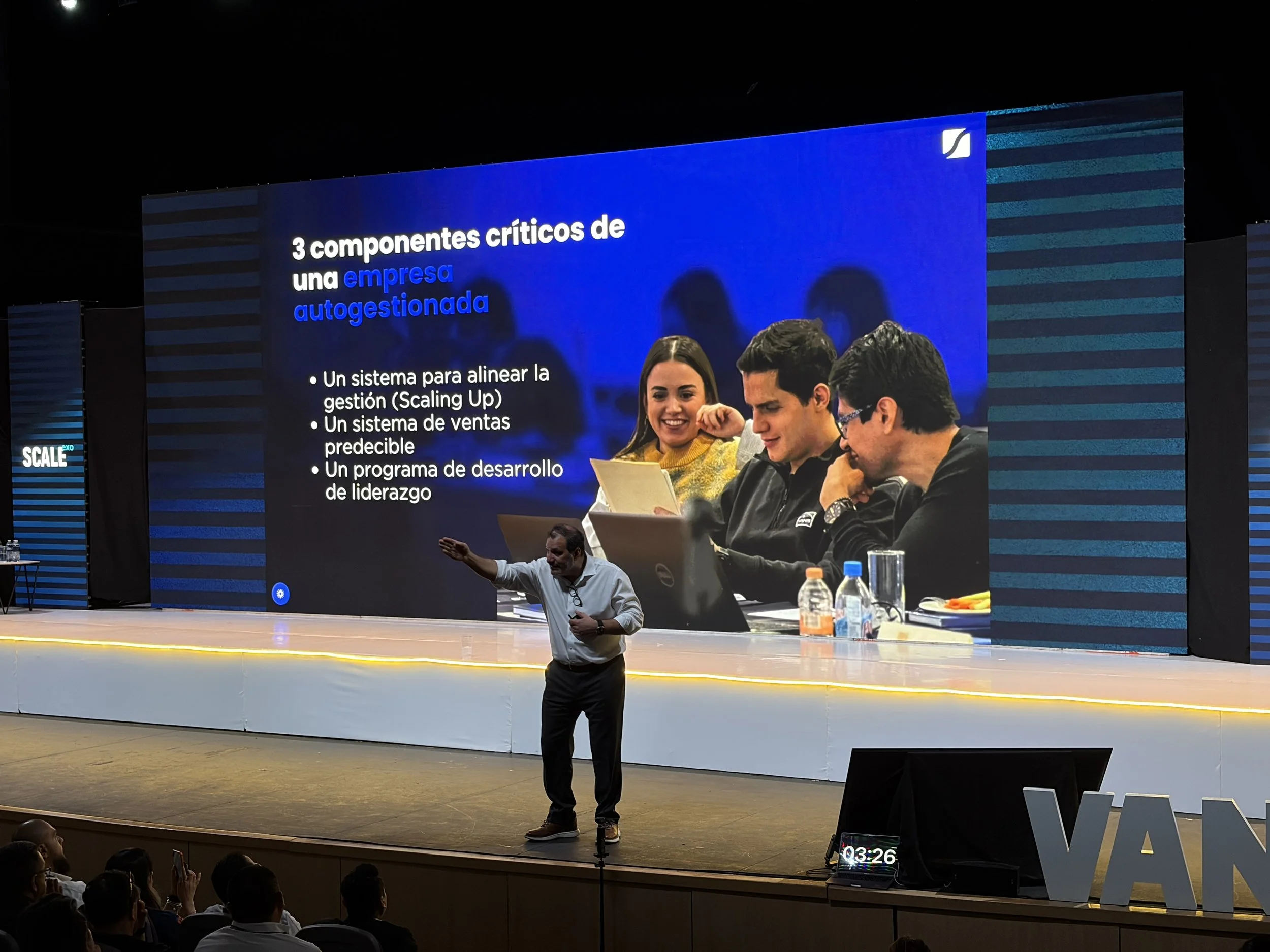
Daniel Marcos presenting at the SCALE EXO conference with a slide about self-managed companies and predictable sales systems.
Daniel Marcos spoke a lot about how businesses get stuck in founder mode.
That part hit very close to home because I’ve seen it happen over and over again with companies we work with. The founder becomes the salesperson, the approver, the marketing department, the operations filter and the emotional stabilizer of the business all at once. The company grows, but the systems underneath growth never fully mature. Sales exist, but predictability doesn’t. Some months are amazing and others feel terrifying even though the business technically “works.”
One of the strongest ideas from Daniel’s talk was that Stage 2 companies need predictable and repeatable systems in order to stabilize growth. The moment he said that, I immediately connected it with what we’ve seen through push-n-pull campaigns. A huge amount of businesses are still trying to grow through random bursts of acquisition. Random campaigns, random posts, random boosts, random ad spend, random agencies, random spikes in leads followed by silence. The problem is not always the product or service. Sometimes the real issue is that acquisition itself is unstable.
Push-n-pull solves part of that instability because it creates continuity between awareness and intent. Push creates familiarity before the customer is ready. Pull captures demand once intent appears. Together they create something extremely valuable for a business trying to grow: predictability.
Then Vern Harnish took the stage and expanded the idea even further. He kept returning to measurable promises, visible scoreboards and operational execution. One thing he said stayed with me the entire event: “Run your company like a sports team, so put up a scoreboard.”
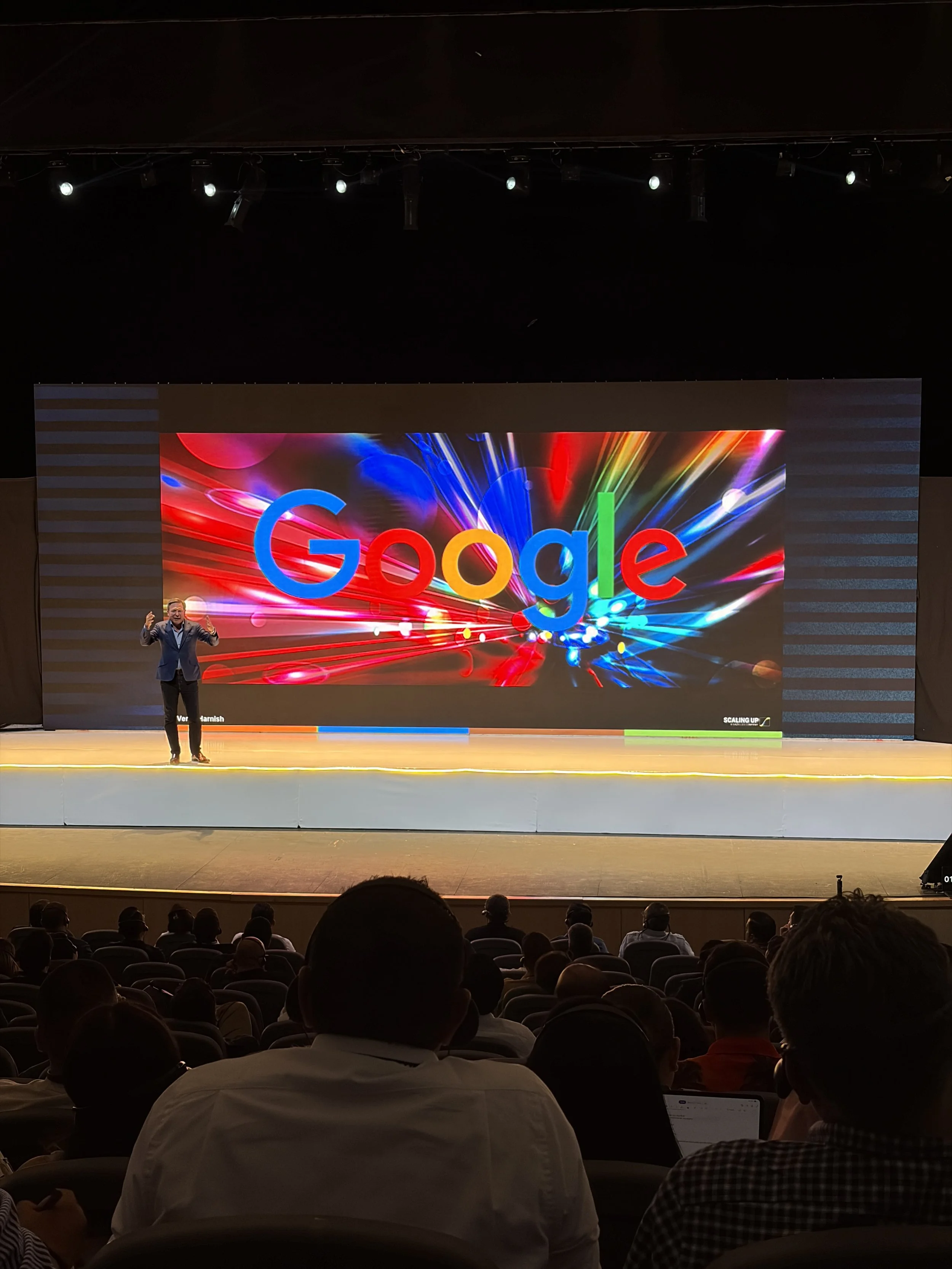
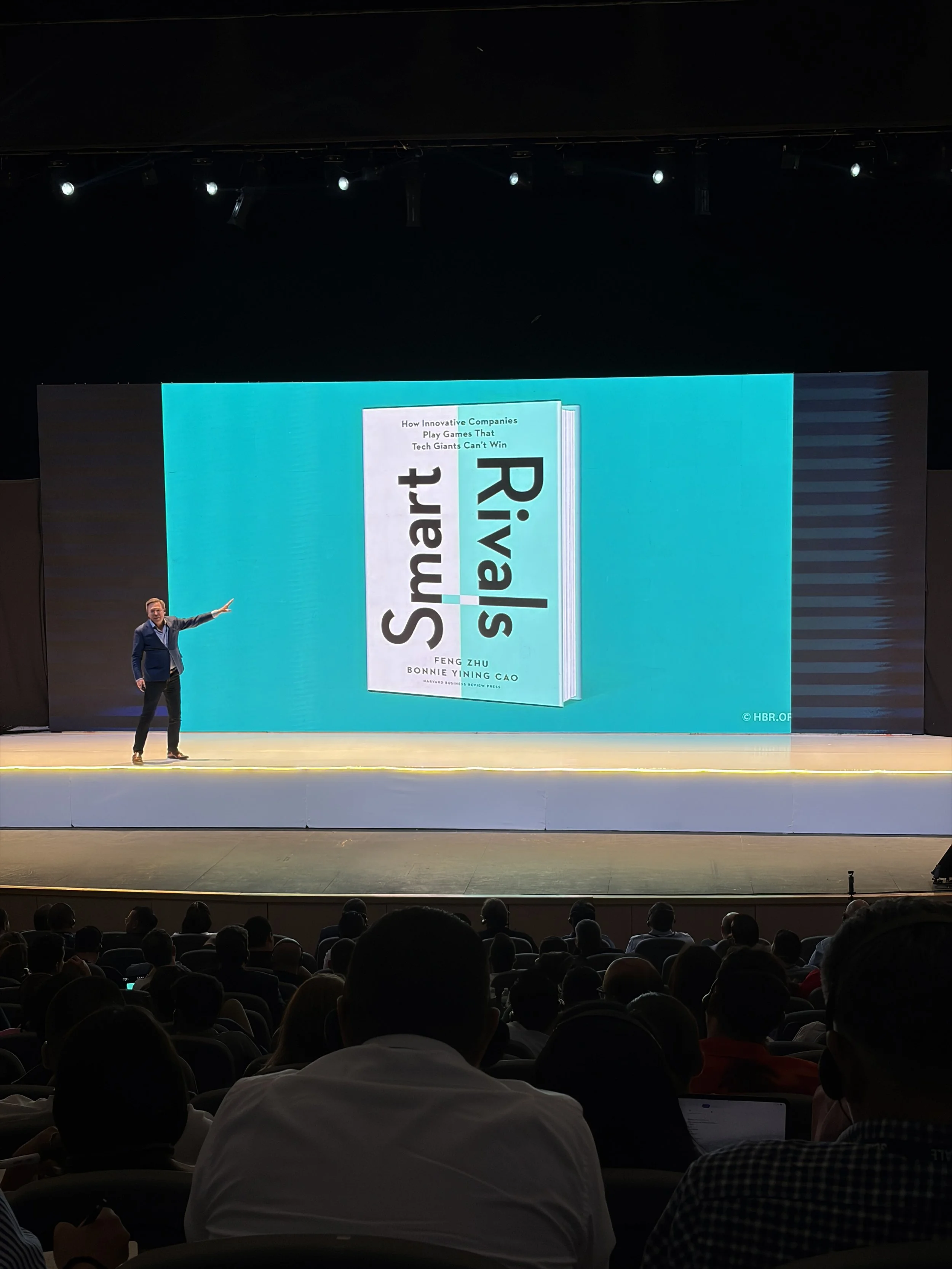
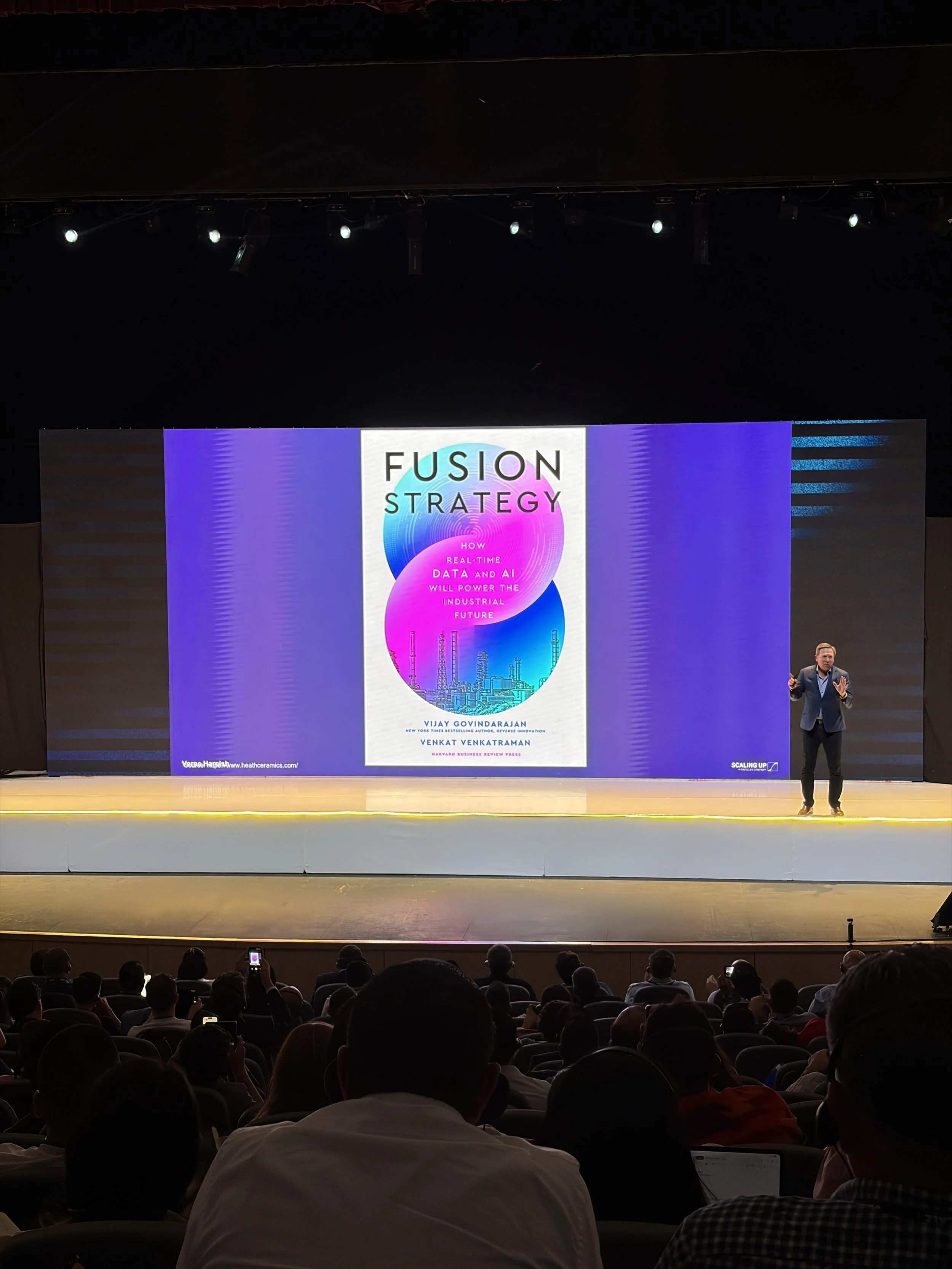
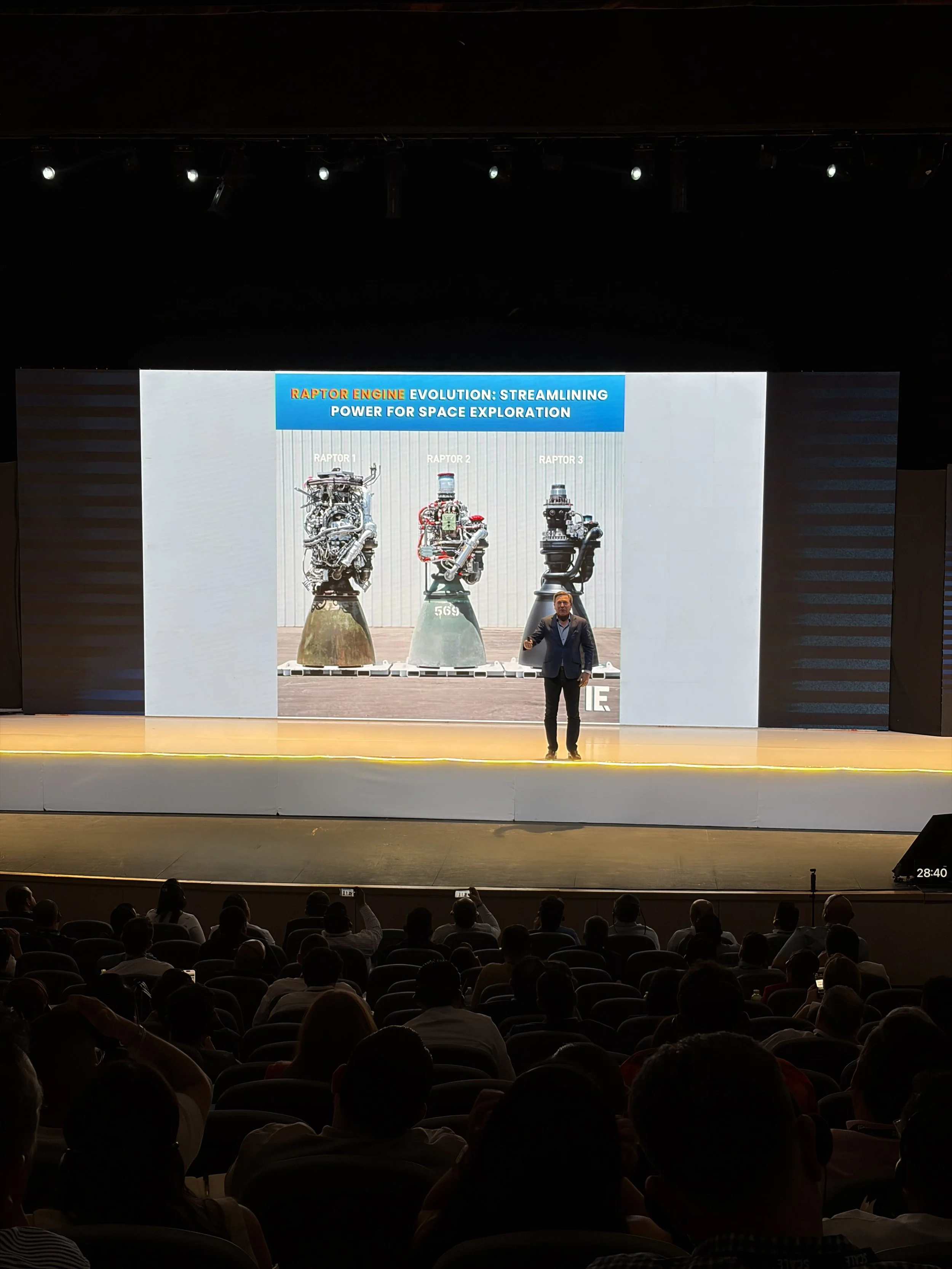
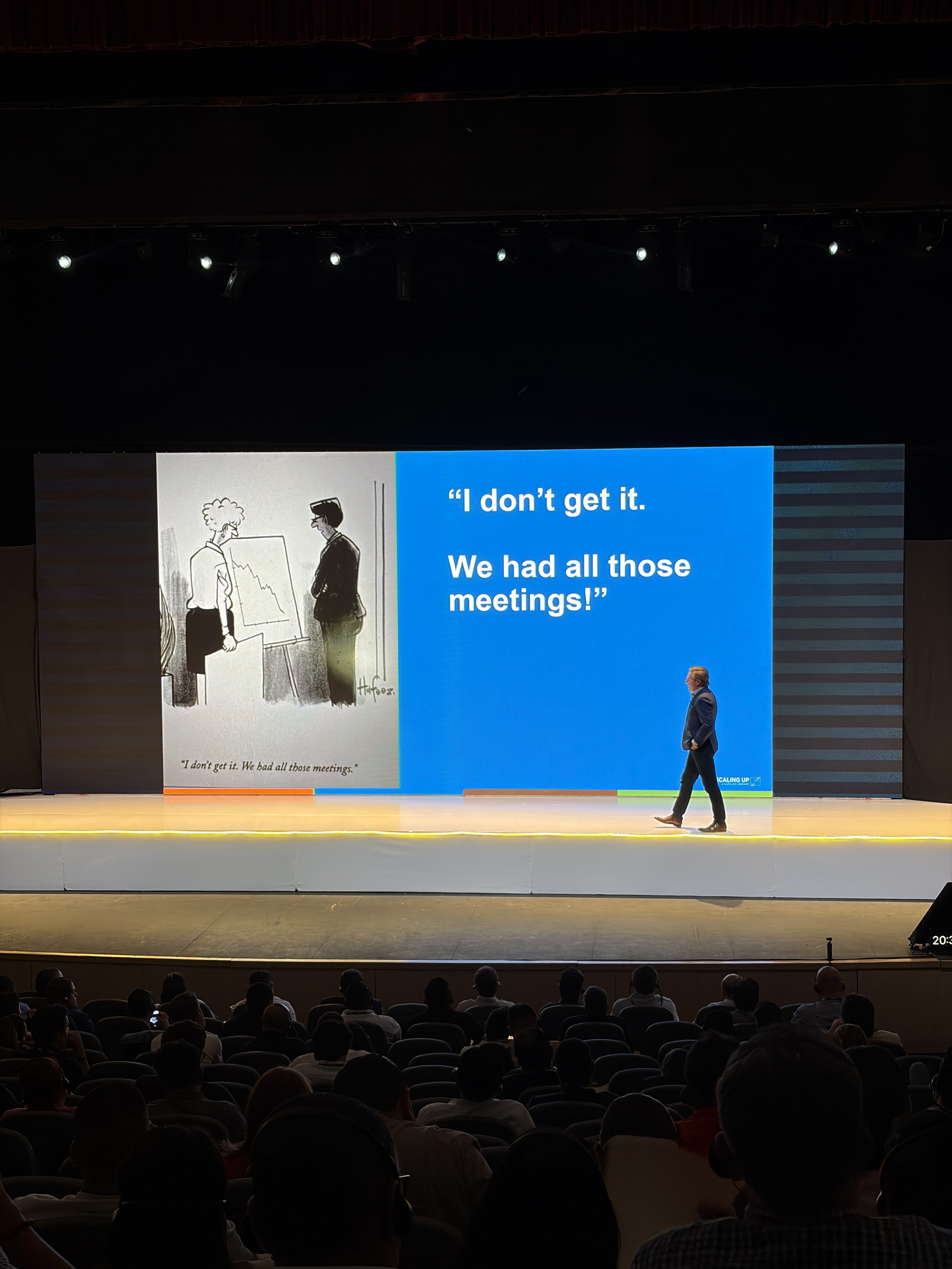
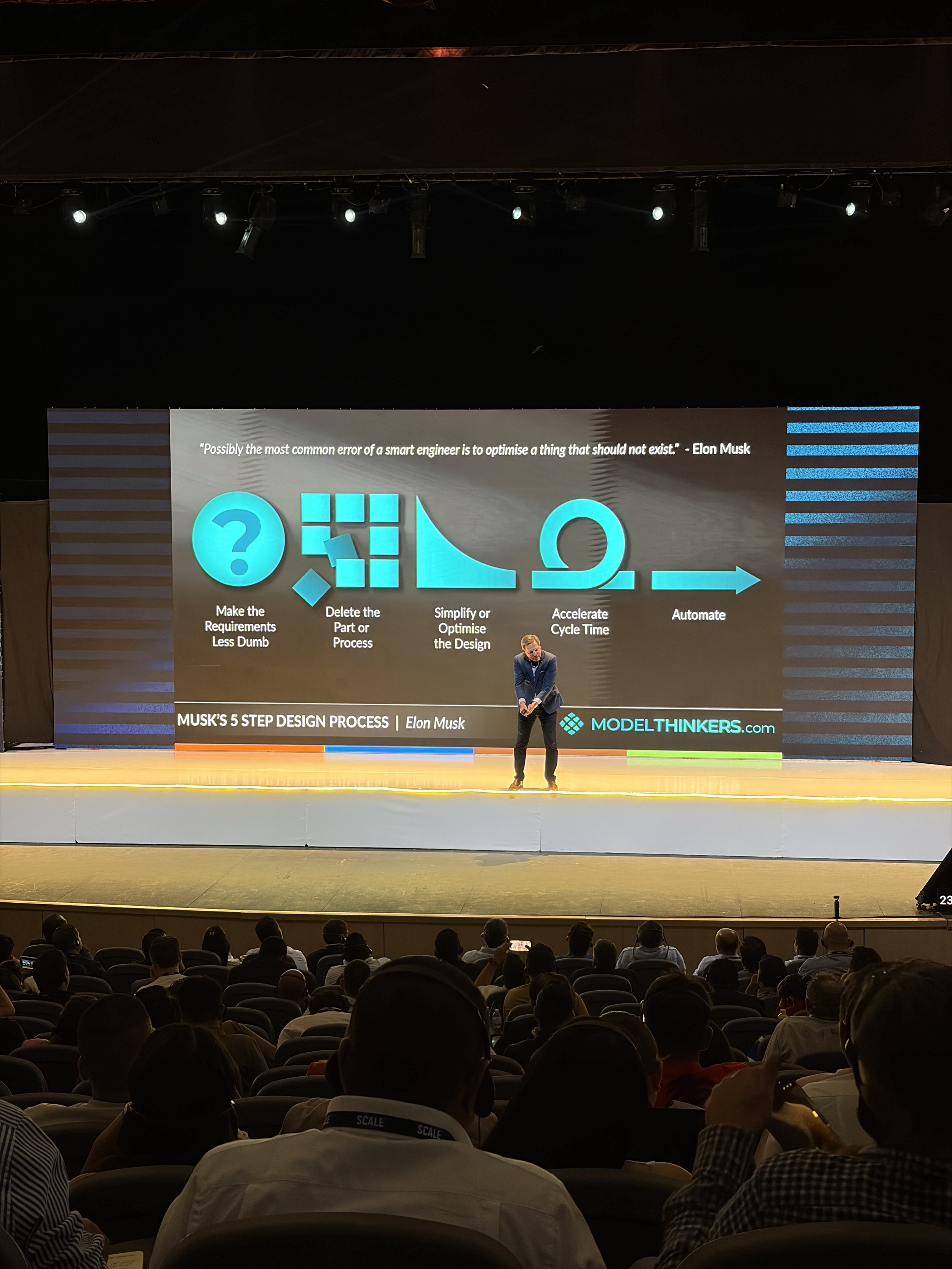
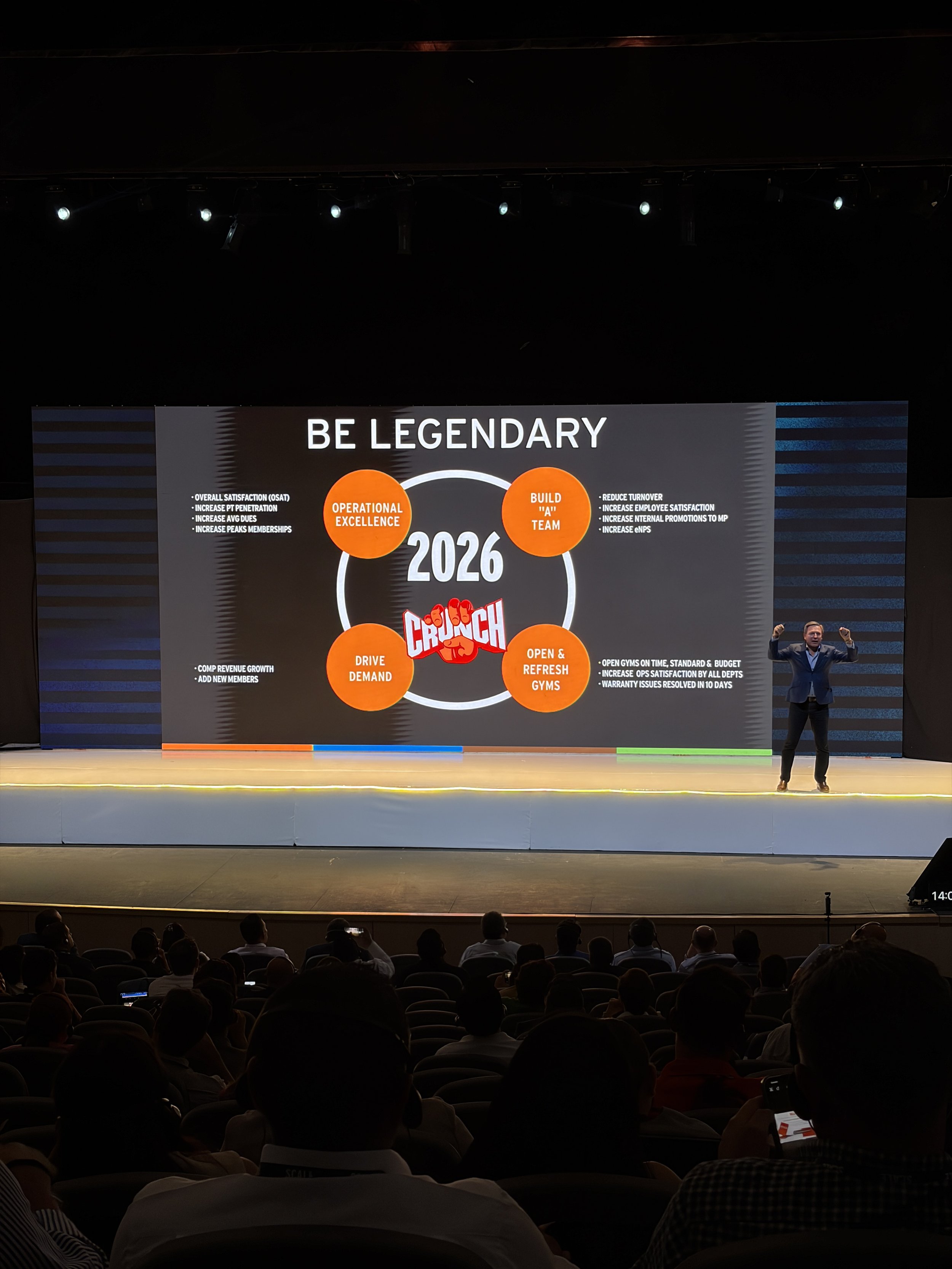
That sentence perfectly describes what starts happening when push-n-pull is implemented correctly. Marketing stops being emotional guessing and starts becoming operational visibility. Suddenly companies can actually see the relationship between awareness, search intent, lead quality, CAC, conversion rates and cash-flow. Teams stop arguing based on feelings and start reacting to visible signals. The business begins understanding where growth is really coming from.
Vern also talked about how a brand should make the phone ring. I loved that line because it captures something many companies miss today. Performance marketing alone eventually becomes fragile and expensive if nobody knows who you are. Every click becomes a negotiation. Every lead becomes more costly. Every conversion depends on timing or discounts. Strong brands reduce friction. Strong brands improve search performance. Strong brands make pull systems more effective because the market already recognizes you when intent appears.
Then Salim Ismail completely changed the scale of the conversation.
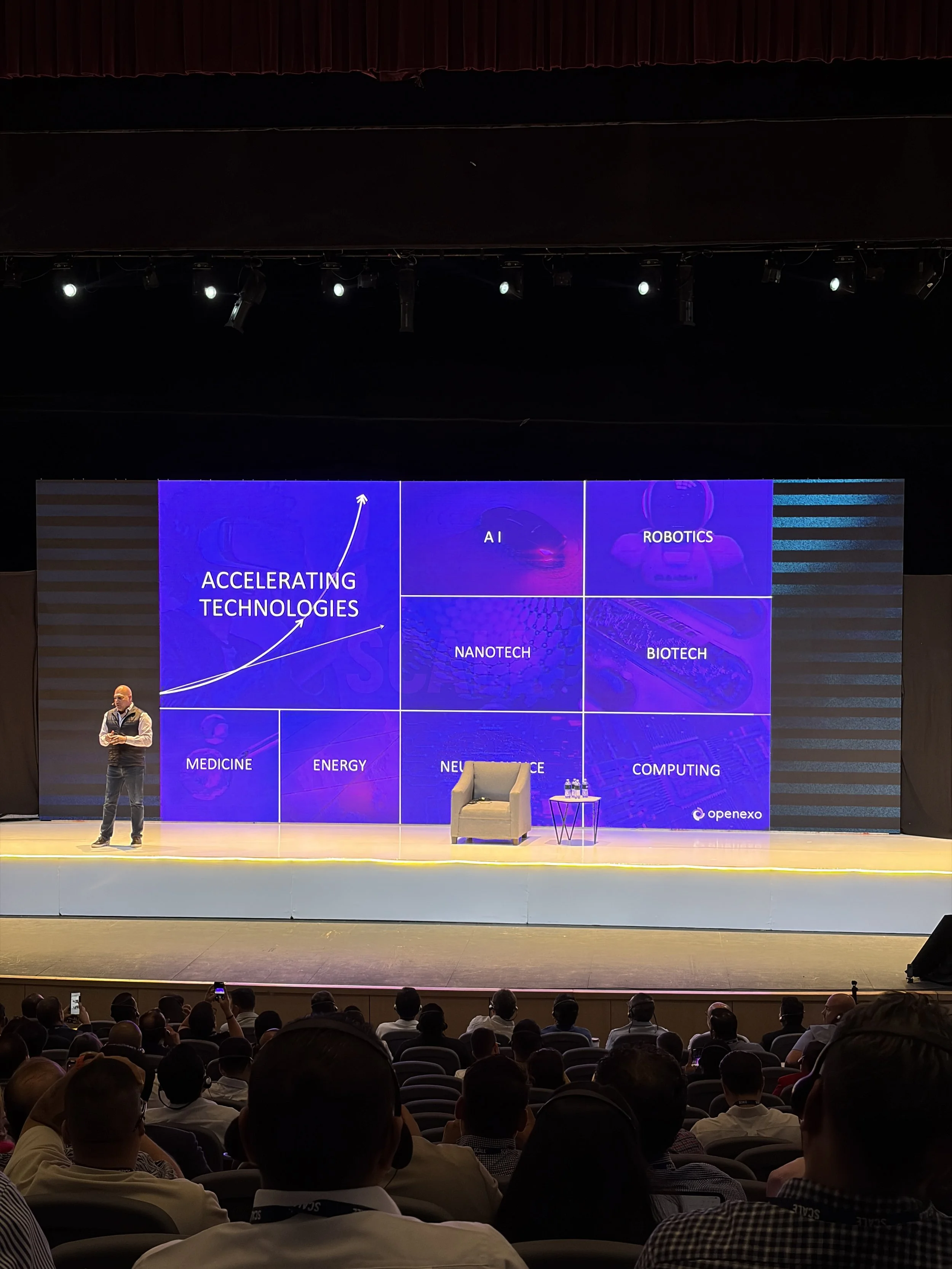
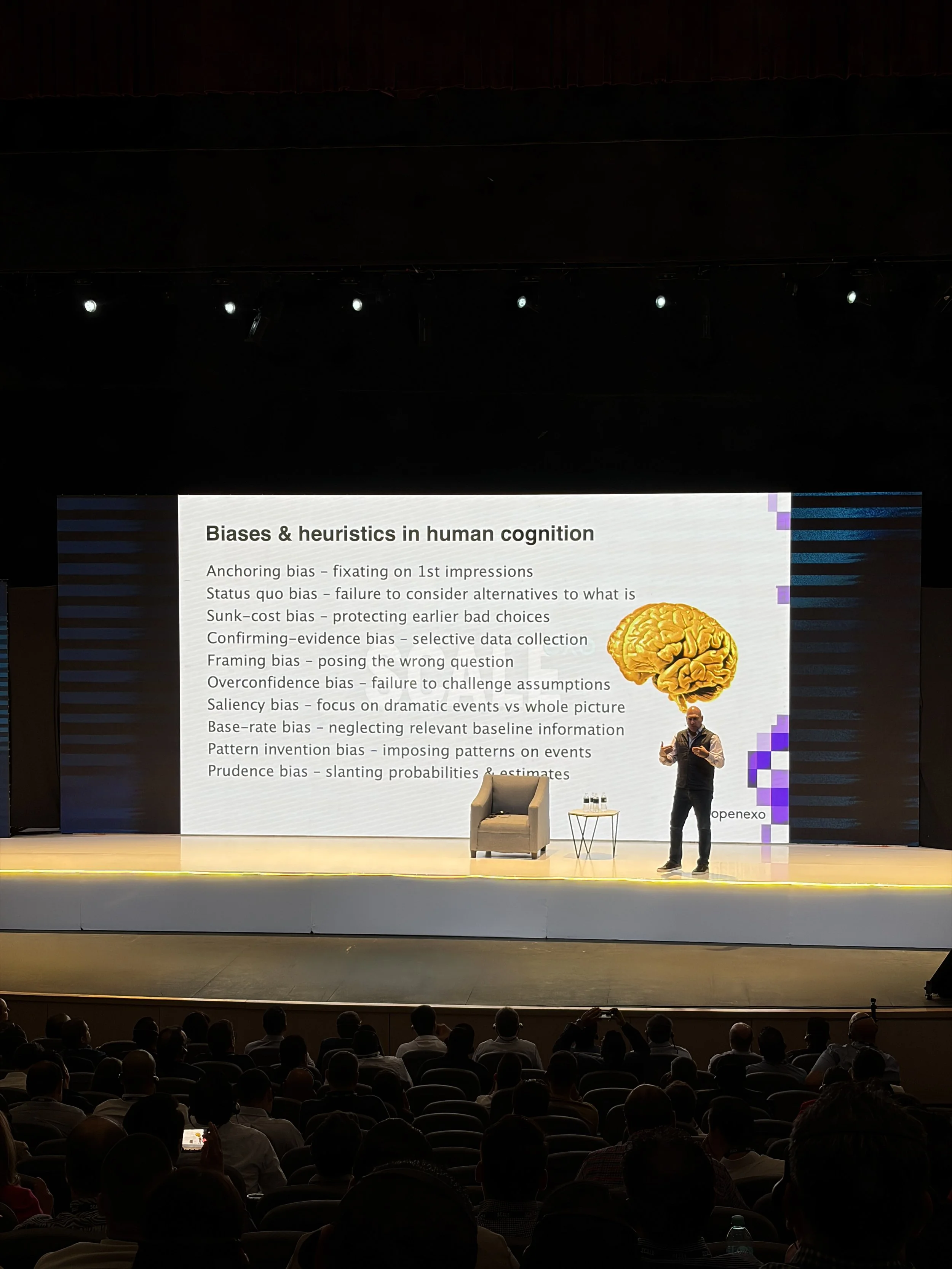
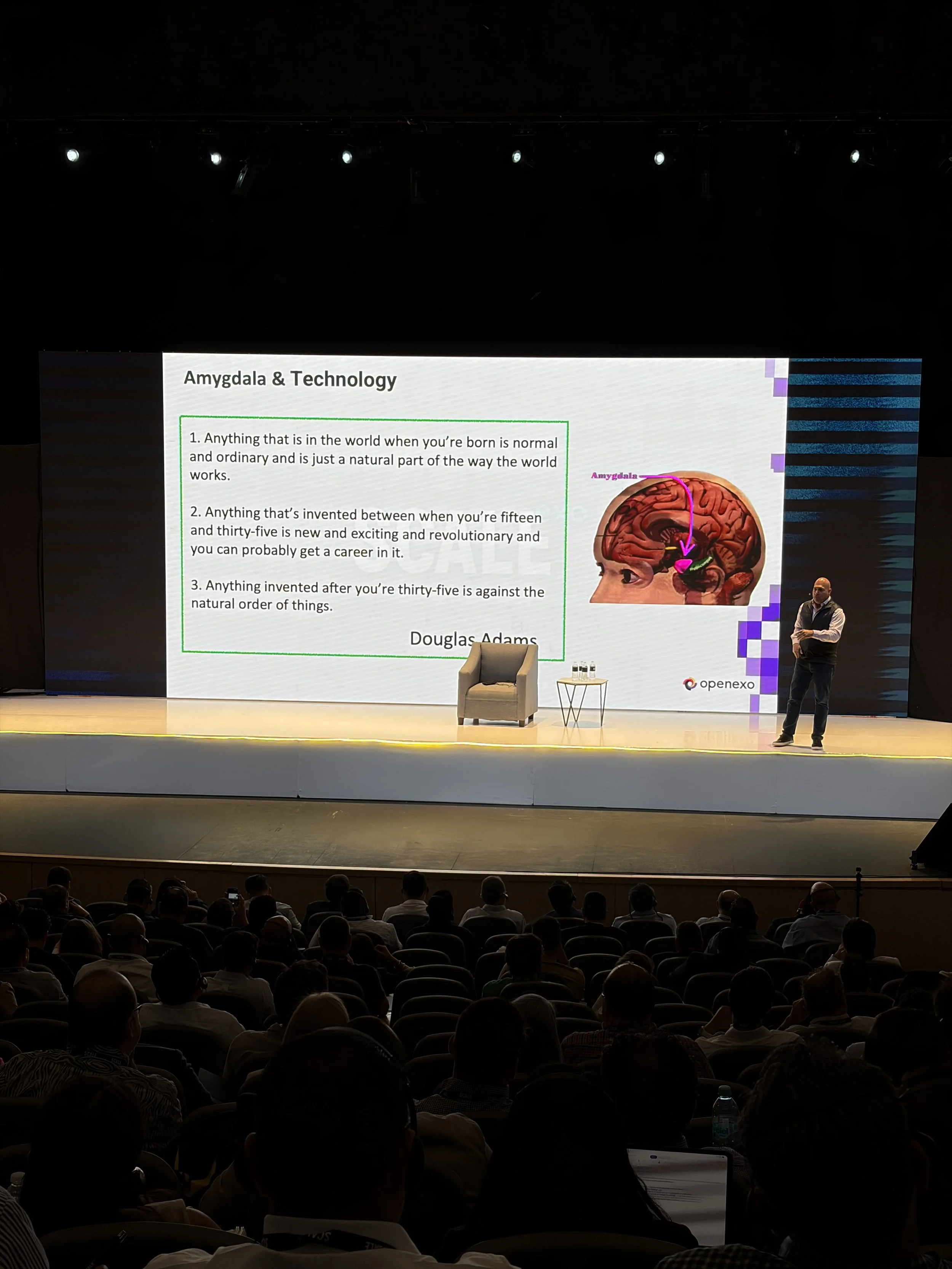
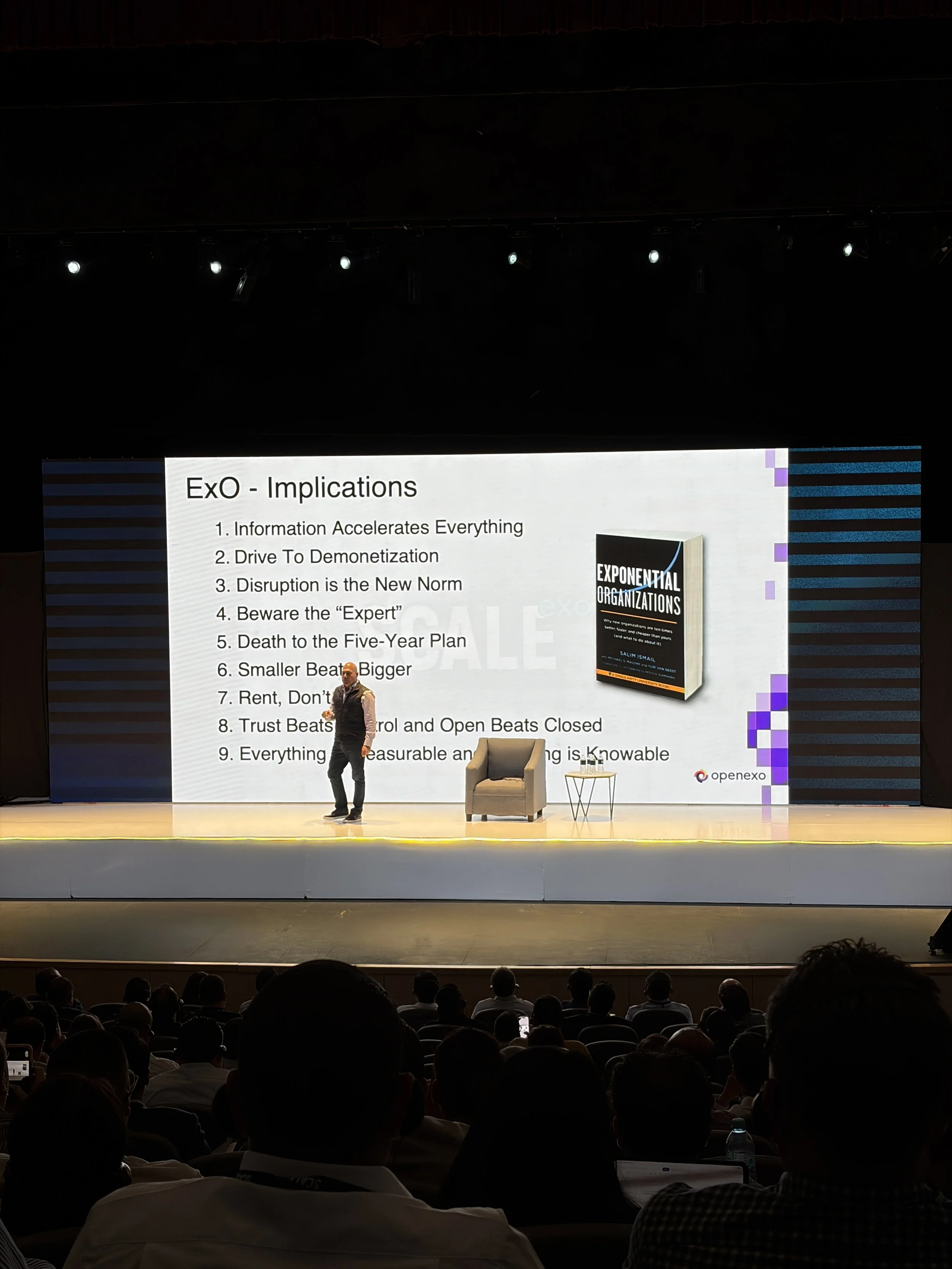
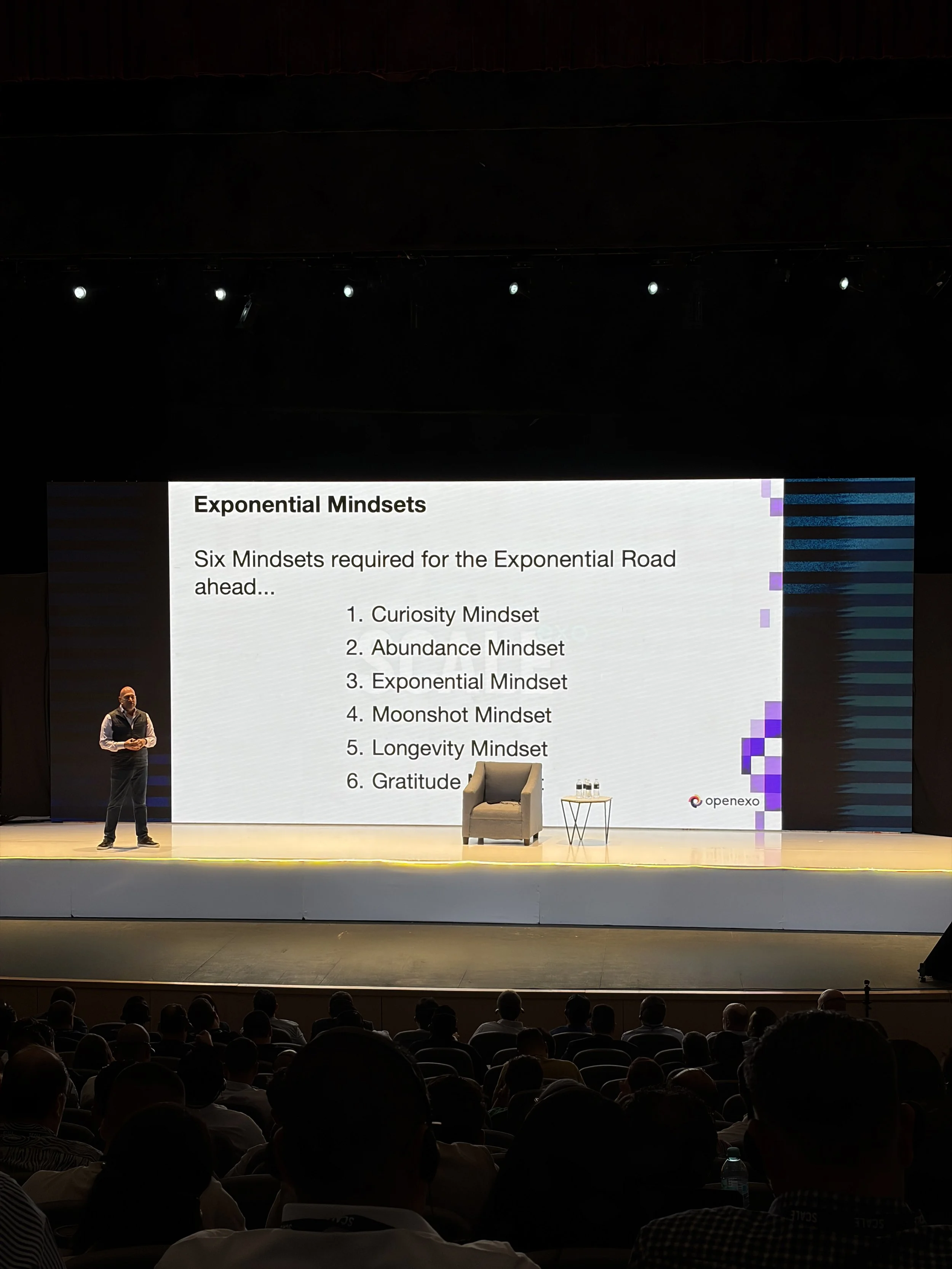
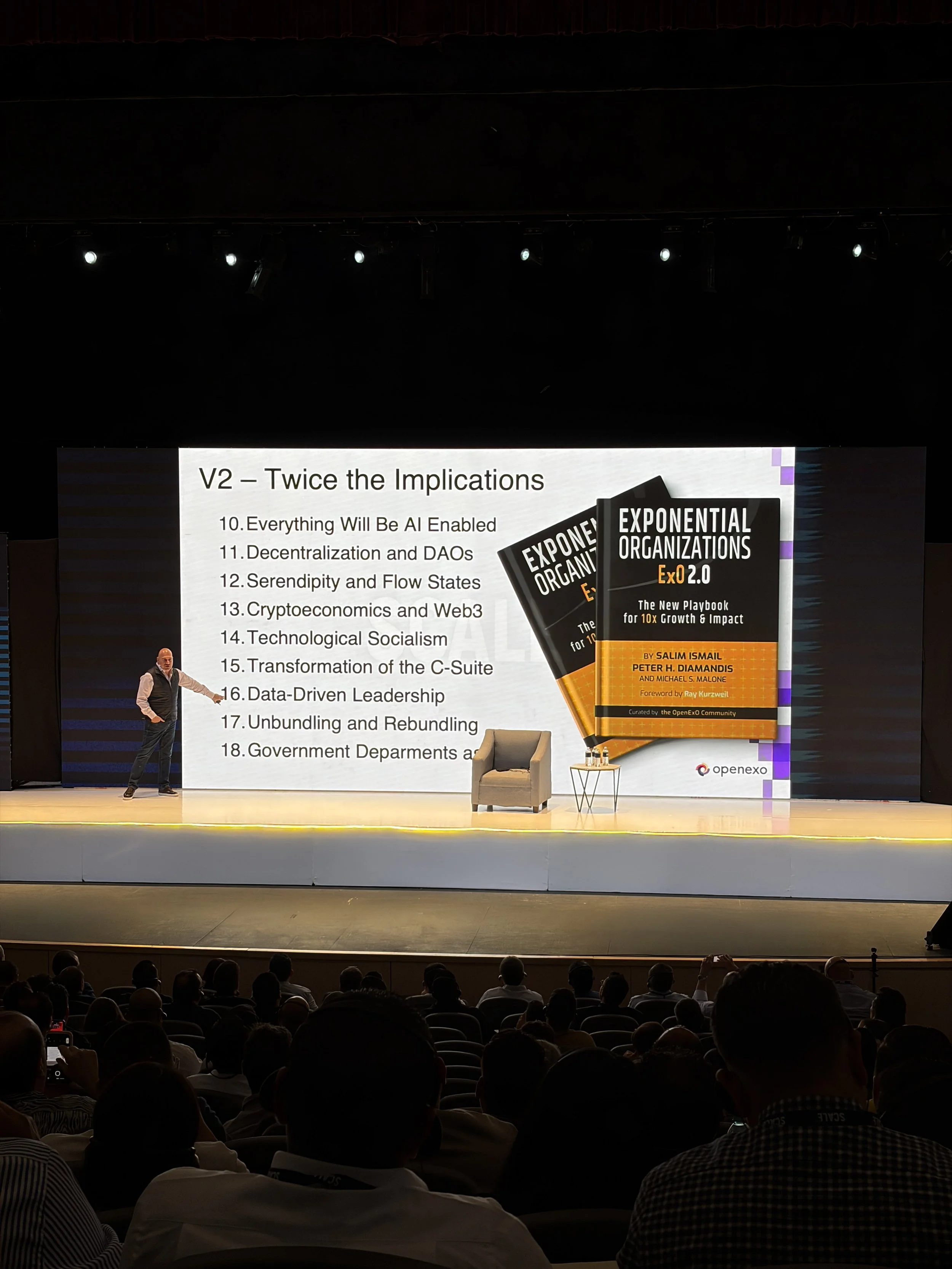
His talk about exponential organizations, AI-native systems and infinite information felt less like a business conference and more like a glimpse into the next decade. He explained how entire industries change once they become digital because marginal costs collapse and the problem shifts from scarcity to filtering. That idea immediately connected in my head with what has happened to marketing during the last few years.
Today everyone can generate content.
Everyone can launch ads.
Everyone can create AI images and videos.
Everyone can publish endlessly.
Attention is no longer scarce.
Attention is overwhelmed.
Which means discoverability, trust, filtering and relevance become the real competitive advantages.
That may be one of the biggest reasons why push-n-pull has become increasingly effective around the world. Businesses no longer win simply by existing online. They win by staying visible long enough to become familiar and by being easy to discover the moment intent appears. Awareness and intent are no longer separate conversations. They feed each other continuously.
Salim also spoke about small fast-moving teams, experimentation, AI-native workflows and building systems that adapt quickly instead of relying on rigid long-term plans. That part resonated deeply with me because dply itself has always operated more like a small experimental lab than a traditional agency. We test constantly. We iterate constantly. We observe patterns. We try to understand why some companies compound and others stay trapped reacting to chaos.
SCALEexo business conference badge inside the event auditorium in Guadalajara.
By the end of the event I realized something important: push-n-pull is probably evolving into much more than a marketing methodology.
It’s becoming a framework for helping companies stabilize acquisition, improve discoverability, reduce dependence on founder hustle and operate more predictably in a world flooded with infinite information and accelerating technology.
That realization honestly made me optimistic.
For years we’ve been obsessed with search intent, awareness, SEO, funnels, tracking systems, scoreboards, landing pages and operational visibility. Sometimes it felt overly analytical or strangely specific. Now I’m realizing many of the world’s best thinkers on scaling and exponential organizations are pointing toward similar ideas from completely different directions.
Daniel talks about predictable systems.
Vern talks about measurable promises and scoreboards.
Salim talks about filtering, AI-native organizations and exponential adaptation.
Different perspectives.
Same signal.
The opportunity I see now for push-n-pull is massive because businesses everywhere are struggling with the same problem: how do you create stable growth in a world becoming noisier, faster and more overwhelming every year?
At dply we’re continuing to evolve push-n-pull using everything we’re learning about scaling systems, AI, operational visibility and modern acquisition strategy.
Because modern growth is no longer just about getting attention. It’s about building systems that continue generating demand even when the founder steps away from the keyboard.
If your company is trying to move from reactive growth into predictable acquisition, let’s talk.